The insurance industry is insurance representatives providing items on behalf of insurance coverage business. Representatives get paid a commission by the insurer to sell their items. Some agents work as brokers, others work in a group setting or are captive (devoted to one insurer). To offer insurance of any kind there are typically 2 requirements. A base pay. Commission. An incentive or benefit. All three of these payment approaches specify how insurance representatives get paid. However, which payment approaches are relevant depend on: Representative typeExperienceLocation Insurance representatives are paid in a different way depending upon if they are captive or independent. Here's how to discriminate in between the 2: This kind of agent works exclusively for one particular insurer.
They get leads from the business and represent the items it offers. This type of representative provides items from various insurer. They do not have an allegiance to any one insurance provider and normally work in their own office or as part of an independent company. However they do get in into an agreement that offers them binding authority to offer insurance coverage on the behalf of various insurance provider.
Independent agents can grow their book of business faster than captive agents since they are more engaged in their neighborhood and use more personalized service. They can often make higher commissions but receive little to no base wage. With both types of insurance coverage representatives, the private representative acts as a liaison between the consumer and the insurance coverage business.
The payment structure of an insurance coverage agent is influenced by where they work. Those who work as a sales agent for one insurer, representing just that insurance provider's products, normally earn money in one of 3 ways: Salary onlySalary plus commissionSalary, commission and reward Representatives who work for an independent insurance coverage company offering items from picked companies generally earn a small income and commissions, OR a salary plus a bonus offer if the firm meets its objectives.
The 2017 median yearly wage for an insurance representative is $49,710 and the hourly wage is $23. 90 per hour, according to the U.S. Department of Labor's Bureau of Labor Statistics, New representatives earn less than $27,180, while those with years in the service can make upwards of $125,190. Together with a base pay, captive representatives also receive an employer-sponsored advantages package, in addition to supporting staff, office equipment, marketing and advertising initiatives.
A representative's base commission depends several aspects like: The line of insuranceThe variety of brand-new policies soldThe variety of restoring policiesThe commission structure, if any, of the insurer or company Captive representatives usually earn a 5% to 10% commission for each car and house insurance coverage policy they offer. Each time the policy renews, they receive a repeating commission, which is generally less than the initial commission.
Independent agents make more in commission than captive agents due to the fact that they either receive no base salary or a very small one. According to the Independent Insurance Agents & Brokers of America, Inc. (IIABA), independent agents normally earn the following series of commissions on these policy types: In between 8% and 15% of a new policy's very first year premium and in between 2% and 15% at the policy's renewal.
The Single Strategy To Use For How To Be A Good Insurance Agent
Considering that life and health insurance coverage commissions are front-loaded, representatives normally don't receive a commission after the third policy renewal. At times, captive and independent agents might make contingent commissions, which are incentive-based. Insurance provider or companies may set particular objectives for attaining contingent commissions, such as: Reaching a certain volume of businessPolicy retentionGrowing a particular line of insuranceOverall profitability In general, no matter the type of agent, the greater a representative's book of service, the more commissions he or she earns.
Most U.S. states have disclosure laws that need agents and brokers to provide this details. Some insurance agents might get quarterly, semiannual, or year-end bonuses based on their sales efficiency. For captive representatives, efficiency bonuses can add up to 20% or more of their earnings. Independent representatives normally do not get efficiency perks unless they work for an independent insurance firm that http://messiahbjcj894.lowescouponn.com/everything-about-which-one-of-these-is-covered-by-a-specific-type-of-insurance-policy uses such opportunities.
Experience matters when it pertains to just how much insurance coverage agents can make. For both captive and independent insurance coverage agents, the more years working as a representative, the more consumers they get and the more solid their track record ends up being as a trusted agent. This relationship building translates into brand-new business and continued renewals, increasing an agent's commission from year to year.
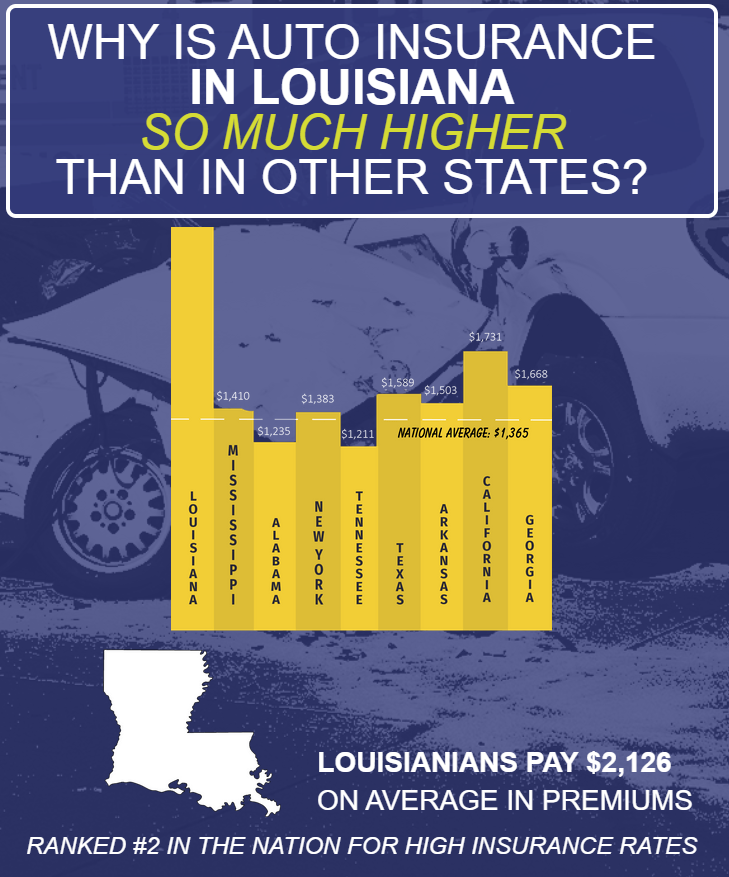
Insurance rates are figured out by a location's cost of living, how many mishaps occur, the general health of its locals, the criminal offense rate and other statistics. For agents, area can affect insurance coverage sales due to the fact that: The cost of insurance coverage is so high that lots of locals would go without it. People are leaving the location due to a high cost of living.
There are more representatives in the market than prospective consumers. There is greater competitors in the place. Citizens tend to go shopping more online than locally. The cost of insurance coverage is high, so agents can make more commission. The cost of insurance coverage is low, so agents do not make as much commission.
So, what agent services are clients getting for their money? An agent knows all the ins and outs of the insurance items she or he is offering (what does it take to be an insurance agent). They apply this knowledge to assist consumers pick the finest policy to fulfill their needs and spending plan - how to become an independent life insurance agent. Insurance coverage representatives are needed to be accredited in each state in which they work.
Some insurance coverage agents have expanded their knowledge of insurance coverage by completing courses and passing examination requirements for insurance coverage classifications. Among the leading classifications are: Qualified Insurance Coverage Therapist (CIC) Chartered Life Underwriter (CLU) Chartered Residential Or Commercial Property Casualty Underwriter (CPCU) Commercial Lines Coverage Expert (CLCS) Accredited Consultant in Insurance (AAI) Associate in General Insurance (AINS) Accredited Customer Support Agent (ACSR) Personal Lines Coverage Specialist (PLCS) Partner in Insurance Coverage Services (AIS) Healthcare Compliance Professional (HCP) Group Benefits Associate (GBA) Fellow, Health Insurance Advanced Studies (FHIAS) Certified Financial Organizer (CFP) Financial Solutions Qualified Expert (FSCP) You'll see one or more of these designations after the insurance representative's name.
All about What Is The Average Salary Of An Insurance Agent
For customers looking for an insurance agent, understanding the payment structure of your agent provides transparency and helps build trust. Weigh this information with the agent's professionalism and proficiency to develop a trusting relationship.